
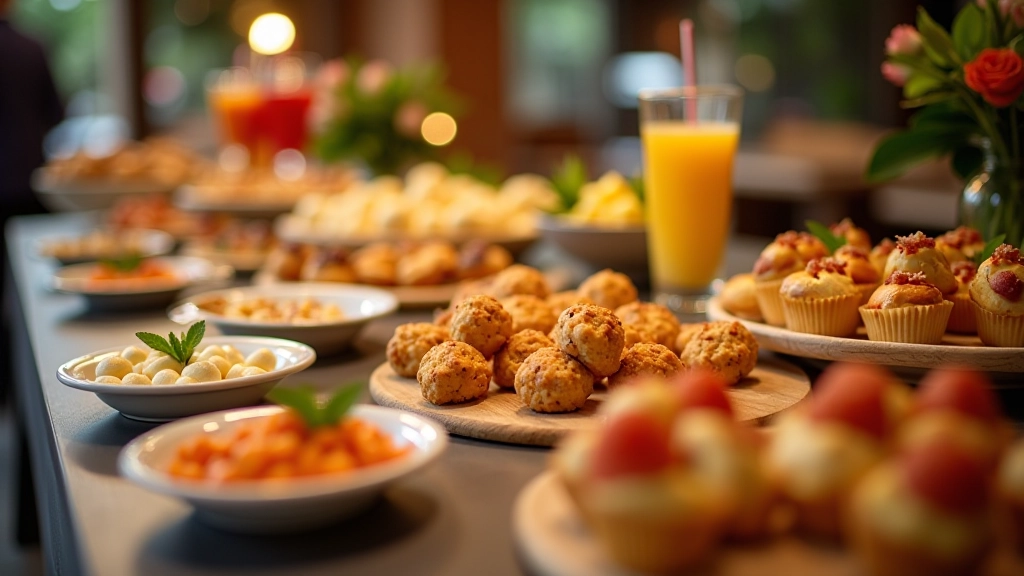
Why Menu Planning Matters
Here's the thing: a great menu makes or breaks the whole event. It's not just about having food — it's about making sure everyone feels welcome and satisfied. You'll need to consider your guest list size, dietary preferences, budget, and the overall vibe you're creating.
We've helped hundreds of hosts get this right. The difference between a forgettable party and one people talk about for months often comes down to thoughtful food planning. Let's walk through how to create a menu that works.
Key Planning Elements
- Guest count and dietary needs
- Timeline and preparation
- Budget allocation
- Seasonal ingredients
- Serving quantities
Understanding Your Guest Count
You can't plan portions without knowing exactly how many people you're feeding. This sounds obvious, but it's where most hosts slip up. Get an accurate headcount — not a guess. Ask for RSVPs with a real deadline, ideally two weeks before the event.
Here's what we recommend: Plan for about 8-10 appetizers per person if it's an appetizer-only event. For a full dinner, you're looking at 1-2 main course portions, plus sides. The numbers change if you're doing a cocktail party versus a seated meal. If you're not sure about your guest count, it's better to have slightly too much food than to run out mid-celebration.

Handling Dietary Requirements
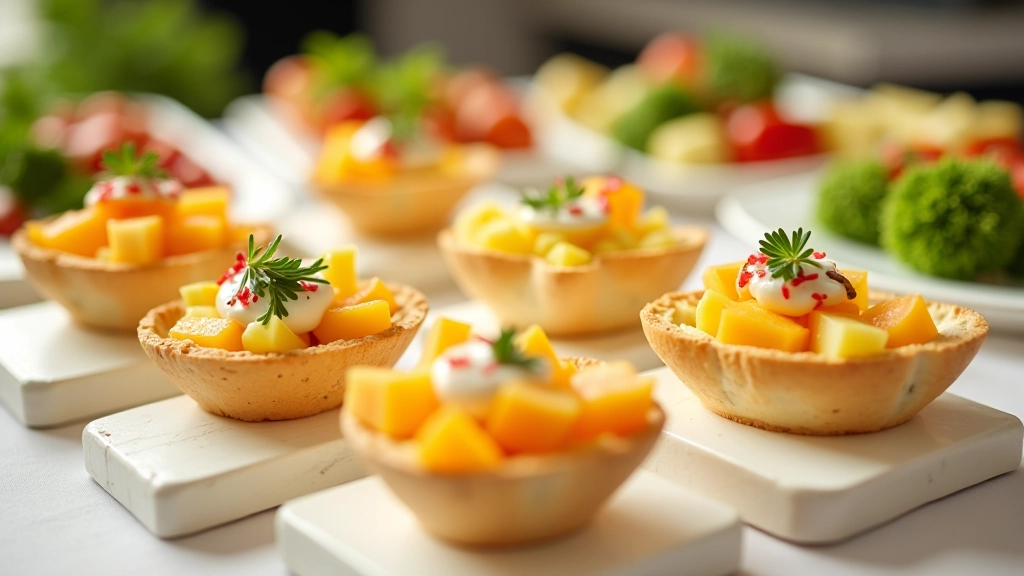
Don't skip this step. When you send out invitations, ask about allergies, dietary restrictions, and preferences. You'll probably get responses about vegetarian, vegan, gluten-free, nut allergies, and other needs. This isn't extra work — it's respect for your guests.
The smartest approach? Plan a menu where most items naturally work for multiple diets. Build your menu around dishes that can be adapted. If you're doing a charcuterie board, include quality vegetarian options. If you're serving grilled items, prepare at least one substantial vegetarian option. Don't make someone feel like an afterthought with a single sad salad while everyone else enjoys the main event.
For serious allergies like peanuts or shellfish, we always recommend preparing those items separately and labeling everything clearly. It takes maybe 10 extra minutes and prevents real problems.
Note: This guide provides general menu planning principles for home entertaining. Always consult with guests directly about allergies and dietary needs. If serving to guests with severe allergies, consider consulting with a nutritionist or professional caterer for specialized preparation guidance.
Continue Your Planning Journey
Explore more essential topics for hosting the perfect celebration

Budget-Friendly Birthday Party Ideas That Actually Work
Simple decorating tricks and food solutions that won't drain your wallet but look amazing.
Read Article
The Complete Checklist for Planning a Celebration
Don't forget anything. We've covered everything from venue booking to day-of timing.
Read Article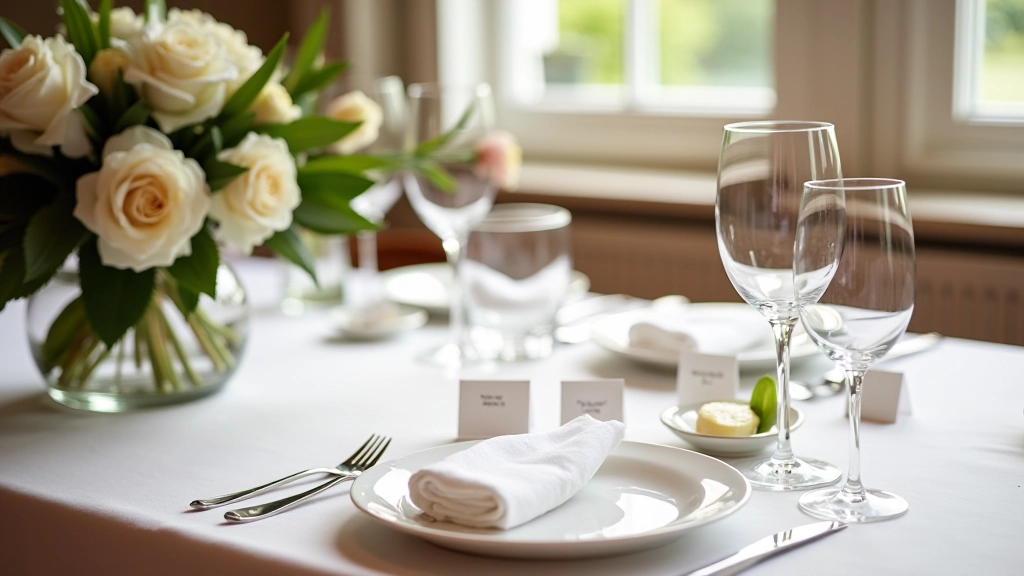
Creating a Memorable Guest Experience
Thoughtful touches that make your guests feel welcomed and ensure they'll remember your event.
Read ArticleQuantities That Actually Work
The biggest mistake? Underestimating how much people eat. You won't regret having extra food. What you will regret is watching guests leave hungry because you calculated portions too tightly.
For a 30-person dinner party, here's what we typically recommend: 2-3 ounces of protein per person, 1 cup of vegetables, 1 cup of starch. For appetizer events, plan 8-10 pieces per person across all items. If you're serving alcohol, people tend to eat less, so you can scale back slightly. If it's a kids' party, portions are smaller but you'll need more variety.
Pro move: Prep ingredients ahead so you're not stressed on the day. You can prepare sauces 2-3 days ahead, chop vegetables the morning of, and do actual cooking just before guests arrive.
Beverage Planning Basics
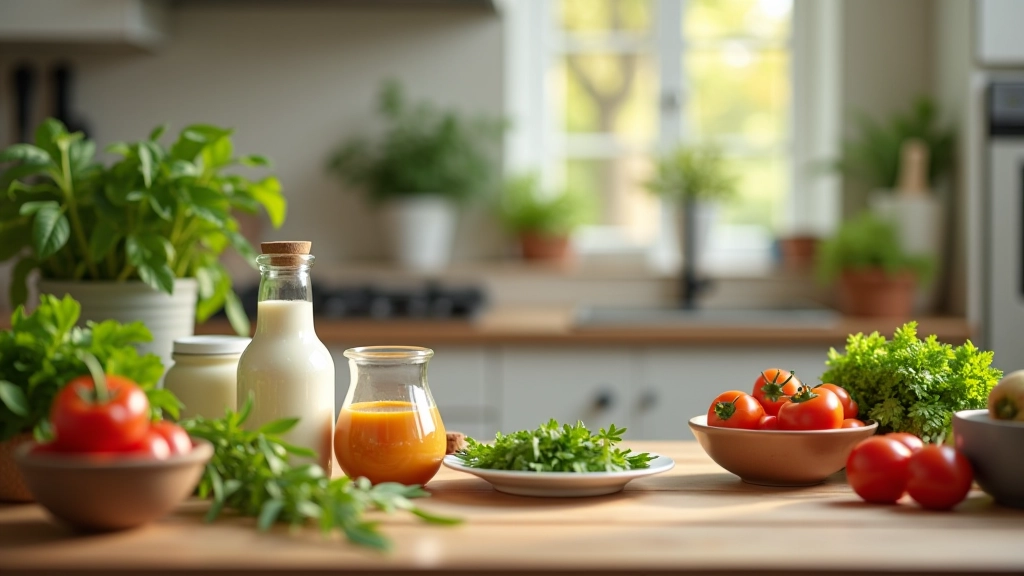
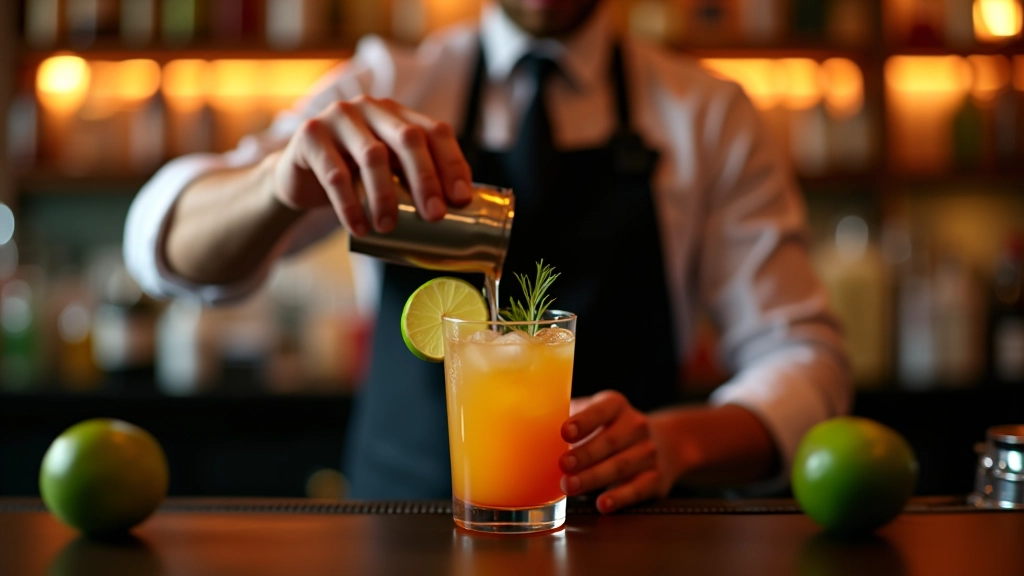
Drinks deserve as much thought as food. Plan for about 2-3 drinks per person for a 3-4 hour event. That includes alcoholic and non-alcoholic options. It's absolutely worth having interesting non-alcoholic choices — sparkling water with fresh fruit, homemade lemonade, or mocktails.
We've learned that offering a signature drink (one special cocktail or punch) creates a fun focal point. It's easier than managing a full bar, and guests love the personal touch. Keep it simple — something that can be made in batches ahead of time.
Don't forget about water. Seriously. Have pitchers of fresh water available throughout the event. People get thirsty, especially when eating and mingling.
Your Menu Planning Checklist
Get Your Numbers
Confirm your guest count and ask about dietary needs at least 2 weeks ahead.
Plan Your Menu
Build a menu that accommodates dietary restrictions naturally. Don't overcomplicate it.
Calculate Portions
Use 2-3 oz protein, 1 cup vegetables, 1 cup starch per person as your baseline.
Prep Ahead
Prepare sauces 2-3 days ahead, vegetables the morning of, cooking just before guests arrive.
Set Up Beverages
Offer 2-3 drinks per person including non-alcoholic options. Include fresh water stations.
Menu planning isn't rocket science, but it does require thought. When you take time to understand your guests' needs and plan quantities thoughtfully, you'll create an event where people feel genuinely welcomed. That's when the magic happens.